
Thank you for Subscribing to Agri Business Review Weekly Brief
Revolutionizing Agribusiness with Carbon Intensity Scoring Software
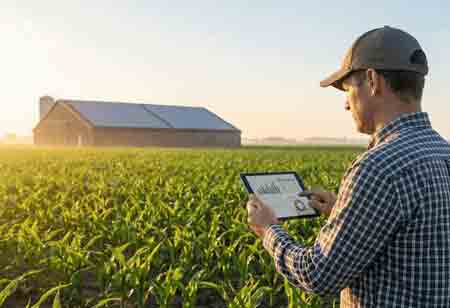
Carbon intensity scoring software is becoming increasingly important in agribusiness operations as stakeholders emphasize tracking environmental performance alongside productivity. This shift toward data-driven farming assessments helps producers gain a clearer understanding of the emissions associated with cultivation, input usage, and distribution cycles. Improved visibility enables better decision-making regarding resource utilization, ultimately supporting efforts to reduce waste and enhance overall environmental efficiency throughout the value chain.
Advancing Livestock Nutrition through Functional Lignin Innovation

European livestock producers face a tightening set of constraints that extends beyond productivity targets. Pressure to reduce reliance on antibiotics, manage input costs and demonstrate environmental accountability is reshaping how feed strategies are evaluated. Conventional additive models, built around supplementation rather than systemic gut interaction, often struggle to reconcile performance gains with these evolving expectations. The shift underway is less about incremental improvement and more about rethinking how a single input can simultaneously influence multiple biological and operational outcomes.
Modern Feed Distribution Networks Strengthening Europe's Livestock Supply Chains

The livestock and aquaculture sectors in Europe rely heavily on consistent access to high-quality feed raw materials. Modern distribution networks play a central role in ensuring that feed mills and farmers receive reliable supplies of proteins, cereals, vitamins, and speciality additives that support animal nutrition. The transformation of these distribution systems has enhanced the flow of ingredients from global suppliers to European producers while also improving traceability, quality assurance, and sustainability practices. As livestock production faces stricter environmental and safety regulations, the efficiency of these networks has become essential for maintaining stable food supply chains.
Carbon Intensity Scoring Software for Agribusiness Leaders

Carbon intensity scoring has moved from sustainability reporting into margin management for biofuel producers, grain aggregators and feedstock suppliers. Executives evaluating software in this field are no longer buying a dashboard for environmental claims. They are buying a decision system that must connect farmer data, plant data, regulated market rules and credit documentation without slowing the movement of grain or fuel. The pressure is sharper in agricultural technology because value is created across a supply chain that rarely shares one data format, one technical skill level or one compliance habit.
Lignin Feed Additives: A Sustainable Choice for Farmers across Europe

The agricultural industry in Europe continues to evolve with a focus on sustainability, efficiency, and enhanced livestock performance. Among emerging innovations, lignin-derived feed additives are gaining attention as multifunctional solutions capable of improving animal health and feed utilisation. As a naturally occurring byproduct of the pulp and paper industry, lignin offers unique chemical properties that can be leveraged to create supplements supporting digestion, nutrient absorption, and gut microbiota balance. For producers and distributors, integrating lignin-based feed additives into the European market requires strategic planning that addresses regulatory compliance, supply chain logistics, and market adoption to ensure practical and profitable implementation.
Advancing Seed Integrity and Accessibility in Modern Agri Business

Agriculture leaders navigating seed procurement decisions face a landscape shaped by rising demand for transparency, environmental responsibility and consistent yield performance. Non-GMO seed varieties have moved from niche preference to strategic necessity, driven by regulatory scrutiny and shifting consumer expectations around food origin and safety. Executives responsible for sourcing seeds must balance cost pressures with the need for traceability and dependable germination outcomes, all while supporting broader sustainability goals within their organizations.
From Soil to Value: Sea Buckthorn Farming
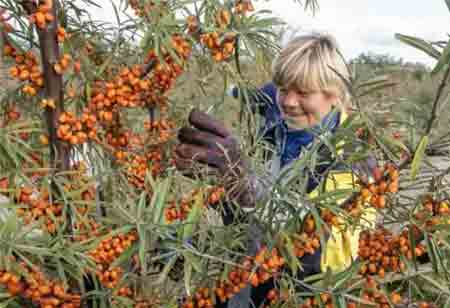
Sea buckthorn farming has emerged as a distinct agricultural practice that combines ecological adaptability with strong market relevance. Cultivation systems increasingly focus on aligning natural growing characteristics with structured farm management to support reliable yields and consistent quality. The integration of sustainability principles, nutritional value recognition, and diversified end-use applications has positioned sea buckthorn farms as essential contributors to agricultural value chains. Through coordinated production practices and growing alignment with processing and distribution networks, sea buckthorn farming supports resilient supply structures while addressing evolving expectations related to traceability, quality, and long-term land productivity.
Precision Fertilization Strategies for Modern Agricultural Performance
Fertilizer procurement has shifted from volume-based purchasing toward precision-led decision-making, driven by rising input costs, regulatory scrutiny and the need to extract more yield from constrained land resources. Executives responsible for fertilizer sourcing now face a more complex equation where nutrient efficiency, soil health alignment and application accuracy carry equal weight alongside price. Standard bulk fertilizer approaches, built around uniform nitrogen, phosphate and potassium delivery, often fail to reflect the variability within fields, crop cycles and regional soil conditions. This mismatch introduces inefficiencies that surface as wasted input, inconsistent crop performance and avoidable environmental impact.
Harvesting Innovation: How Technology is Transforming Agriculture
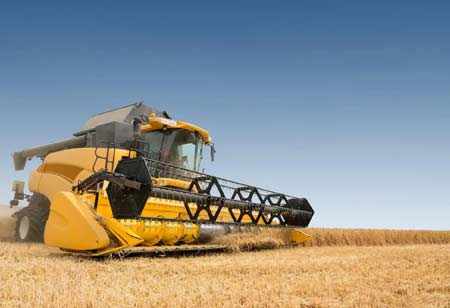
The agricultural sector uses technological solutions to cultivate sufficient food supplies that meet rising demands from the expanding global population. Farmers must produce higher crop yields even when they have fewer resources available to them, and modern agricultural technologies provide them with precise and effective solutions for this challenge.
Selecting a Reliable Partner in Animal Feed Raw Materials Distribution

Volatility defines the animal feed raw materials market, where supply disruptions, shifting trade routes and fluctuating input availability can quickly affect production continuity. Procurement leaders are expected to maintain cost discipline while ensuring uninterrupted access to consistent-quality inputs across multiple geographies. The challenge is not limited to sourcing alone; it extends to coordinating compliance, logistics and supplier relationships across fragmented markets that operate under different regulatory and commercial norms.
The Growing Role of Agricultural Biotechnology Companies in Shaping the Future of Agribusiness
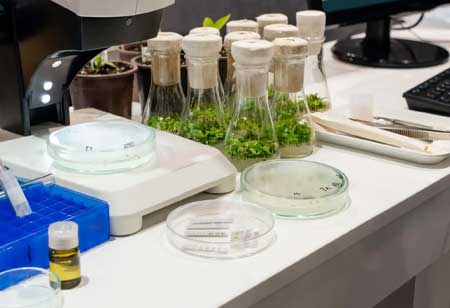
Agricultural biotechnology companies are becoming strategic infrastructure for modern agriculture, not simply suppliers of improved seed or laboratory innovation. In business terms, agricultural biotechnology applies genetic science, molecular breeding, biological inputs, microbial systems, diagnostics, and data-enabled R&D to improve crop performance, soil health, pest resistance, nutritional quality, and climate resilience. For agribusiness leaders in the US, the category now sits at the intersection of productivity, sustainability, risk management, and supply-chain continuity.
The New Standard for Farm and Ranch Visibility

Farm and ranch camera decisions are no longer simple equipment purchases. For executives responsible for rural security, livestock oversight and asset protection, the real question is whether a camera system can replace wasted travel, reduce blind spots and keep working property visible when people are miles away. Remote surveillance in agriculture has to serve practical field conditions rather than office-based security assumptions. A camera that depends on local Wi-Fi, frequent battery changes or complicated setup can fail precisely where it is needed most.
Cultivating Growth: Dynamics of Fertiliser Manufacturers and Distributors in the UK

The agricultural input sector remains indispensable to the UK’s agri-food ecosystem. Fertiliser manufacturers and distributors support farm productivity, soil health, and national food security amid evolving environmental policies, supply chain challenges, and shifting market demand. Once dominated by commodity-focused production and basic distribution networks, the UK fertiliser industry is transforming into a technologically enabled, sustainability-aligned value chain.
Precision Agricultural Marketing for a Data-Driven Agribusiness Era
Executives responsible for brand growth in agribusiness confront a market defined by compressed decision windows, fragmented media habits and rising input costs. Farmers evaluate crop protection products, seeds and machinery under economic pressure and agronomic uncertainty. Broad messaging and generic segmentation no longer justify marketing budgets. Engagement must align tightly with crop cycles, pest pressures and capital planning horizons. Agricultural marketing agencies are now expected to translate agronomic complexity into measurable commercial impact.
Strategic Role of Agricultural Marketing Agencies in Europe
European agriculture operates within an increasingly sophisticated economic and regulatory landscape. Producers face complex consumer expectations, stringent sustainability standards, evolving trade agreements, and accelerating digital transformation. In this environment, agricultural marketing agencies have become essential strategic partners for farms, cooperatives, agribusinesses, and public institutions seeking to differentiate European produce, build resilient brands, and stimulate demand in both domestic and export markets.
Carbon Supply and the Next Frontier of Crop Yield Optimization

Controlled environment agriculture has matured into a sophisticated production model built on precision lighting, nutrient delivery and automation. Yet yield gains inside vertical farms and greenhouses often plateau for reasons that have less to do with hardware and more to do with atmospheric chemistry. Carbon dioxide availability within enclosed grow spaces remains one of the least optimized variables in high-density cultivation. For executives responsible for production efficiency, the question is no longer whether carbon enrichment matters, but how it can be delivered reliably and economically, while aligning with sustainability mandates.
Data-Driven Innovation Transforming Agronomic Field Trial Management
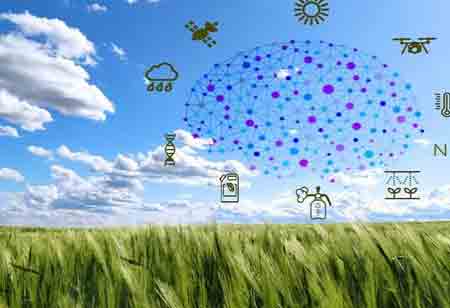
Agronomic field trial management software has emerged as a strategic solution, transforming how trials are designed, executed, analyzed, and scaled. By digitizing workflows and centralizing data, these platforms convert complex field research into actionable intelligence, enabling faster, more reliable decision-making across the agricultural value chain.
Predictive Intelligence for Assured Potato Supply

Executives responsible for agricultural procurement and production planning face a narrowing margin for error. Volatile weather, regional variability and rising labor constraints have made traditional field-based crop monitoring less reliable at scale. In response, predictive crop intelligence services have moved from experimental tools to core decision infrastructure, particularly for buyers and growers managing contractual supply commitments. The value of these services no longer lies in abstract analytics but in their ability to provide early, defensible visibility into what will come out of the ground and when.
The most effective approaches share a common orientation toward assurance rather than exploration. Continuous monitoring must work across dispersed regions without increasing on-farm burden. Insight must update frequently enough to reflect changing conditions, yet remain consistent season over season. Above all, forecasts must translate into practical actions, such as prioritizing field visits, sequencing sampling activity and identifying variance before it becomes contractual risk. Systems that require new workflows or extensive manual inputs tend to struggle in high-volume operations where attention is scarce.
Predictive Crop Intelligence Powering Strategic Growth in Agribusiness
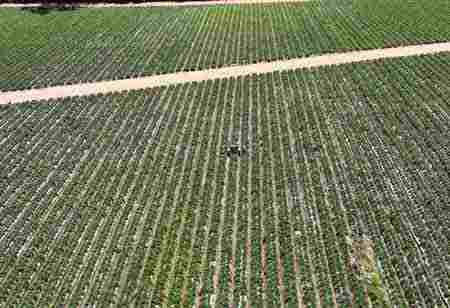
The global agriculture sector is undergoing a fundamental transformation as agribusinesses confront rising food demand, climate volatility, resource constraints, and tighter sustainability expectations. In this context, predictive crop intelligence services have emerged as a critical market enabler. Predictive crop intelligence shifts agriculture from intuition-led practices to evidence-based strategies, positioning agribusinesses to compete more effectively in an increasingly complex global food system.
Turning Agricultural Residues into Durable Farm Revenue

A cross global agriculture, crop residues remain an underused asset. Grain and primary harvest outputs dominate economic planning, while stalks, straw, husks and similar byproducts are treated as a cost, a disposal problem or a shortterm soil amendment. Burning, unmanaged decomposition or low-value handling persists even as input costs rise and farm margins tighten. For executives evaluating agricultural waste transforming services, the central question is no longer whether residues can be used, but whether they can be converted in a way that protects soil health, avoids logistics penalties and creates a predictable economic return.
Agricultural Innovations: Profiting from Waste Management Solutions
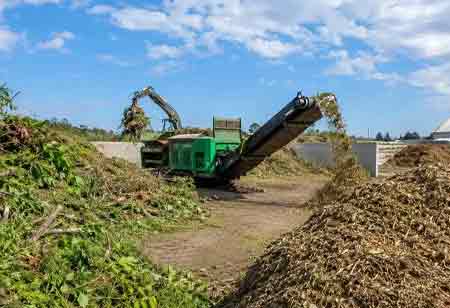
Agriculture, as a cornerstone of the global economy, generates vast amounts of waste every year. From crop residues to animal byproducts, this agricultural waste has long been viewed as a byproduct with limited utility. However, recent developments have shown that agricultural waste can be transformed into valuable resources, creating opportunities for innovation and sustainability. The emergence of agricultural waste transforming services has the potential to revolutionize how the industry approaches waste management. These services not only provide solutions for waste disposal but also contribute to environmental sustainability and offer businesses an avenue for increased revenue.
Evaluating GMO-Free Animal Feed and Fertilizer Farms Long-Term Supply Integrity
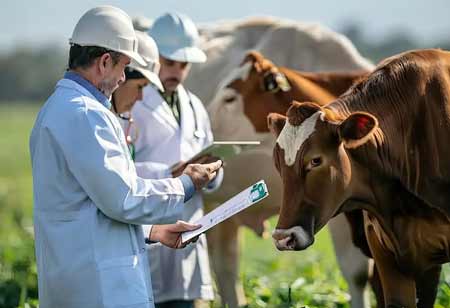
Executives responsible for sourcing GMO-free animal feed and organic fertilizer operate in a procurement environment shaped by traceability requirements, grain price volatility and rising expectations from retailers and end consumers. Organic livestock producers must substantiate that every input, from raw grain to finished ration, meets standards that extend well beyond the absence of genetic modification. Documentation discipline, inspection readiness and supplier transparency now weigh as heavily as price per ton.
The Narrative Renaissance of the Dehydrated Garlic and Vegetable Supplier

The agribusiness sector is undergoing significant change as consumers become more conscientious. Ingredients that were once overlooked are now gaining attention. Product value is increasingly defined by its story, not just its function. For dehydrated garlic and vegetable suppliers, this means shifting from bulk sales to highlighting origin, process, and impact. Transparency is becoming essential, and the ability to clearly communicate a product’s journey from soil to shelf now sets companies apart.
Valuing What Already Exists in Agricultural Soil
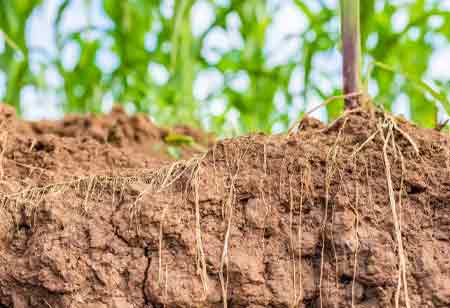
Executives overseeing land acquisition and farm performance face a less visible challenge than commodity prices or weather: accurately assessing existing soil assets before investing. While topsoil is often evaluated for yield or compliance, its micronutrient composition is rarely considered as a distinct asset. This oversight is significant. Micronutrients such as zinc, boron, manganese, copper, and affect crop response, long-term soil management, and, under certain regulations, the economic treatment of land.
Advancements in Farm and Ranch Camera Technology Enhance Agricultural Security

Modern agriculture is experiencing a digital transformation that goes beyond automated tractors and precision irrigation. As farms and ranches increase in size and value, traditional patrolling and fencing are often supplemented or replaced by advanced visual monitoring systems. This shift enables continuous oversight through camera technology, providing constant protection for large rural areas. By combining high-definition optics, artificial intelligence, and remote connectivity, these systems deliver oversight that was previously unattainable, making remote properties more secure and intelligent.
Agronomic Field Trial Analysis Software for Modern Research Programs
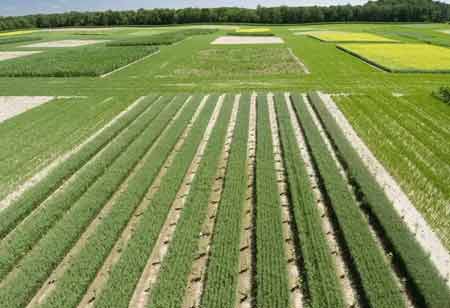
Agronomic research programs are under increasing pressure to generate reliable insights faster while managing trials that span crops, regions, and growing cycles. Executives responsible for technology decisions in agritech software often inherit fragmented workflows built around spreadsheets, disconnected mobile tools and manual data consolidation. These approaches struggle as trial volumes grow. Delays in data availability, inconsistent measurement practices and heavy training demands on field teams all compound risk at the point where research results begin to inform commercial or regulatory decisions.
Virtual Fencing and the Future of European Livestock Farming

As Europe advances the goals of the European Green Deal and the Digital Decade, agriculture is adopting virtual fencing. This approach, which combines Global Positioning System (GPS) technology and the Internet of Things (IoT), is transforming how shepherds manage livestock and land. By replacing physical barriers with cloud-managed boundaries, producers are improving operational efficiency and leading new practices in regenerative land management and animal welfare.
The Strategic Imperative of GMO-Free Feed in Modern Agriculture
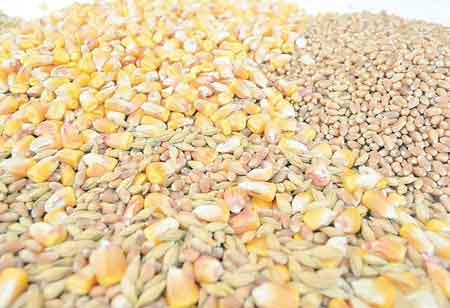
For decades, the agricultural industry operated under a paradigm where efficiency, yield maximization, and cost reduction were the sole determinants of success. However, a new era has emerged—one defined by quality, transparency, and holistic wellness. At the center of this transformation lies a critical, often overlooked component of the food supply chain: animal feed.
Soil Micronutrient Analysis for Agronomic Innovation

In the quest for sustainable agricultural intensification, the focus of agrarian science, long dominated by macronutrients like nitrogen, phosphorus, and potassium (NPK), is decisively shifting to the critical, often-overlooked role of micronutrients. Elements such as zinc, boron, iron, manganese, and copper, though required in minute quantities, are the essential catalysts for plant health, yield, and nutritional quality. Moving beyond localised soil testing, the industry is now embracing a new paradigm: micronutrient mapping as essential public infrastructure, driven by ambitious national soil health missions and enabled by the power of open data platforms.

